Constantia Theatre Dresden
Continuing the memory of a theatre
Renovation and extension of a former ballroom and theatre
Majlie Ho · Stefanie Kästner · Emil Rohde
Semester Project Design
M.A. Architecture
HTWK Leipzig
Prof. Dipl.-Ing. Dorothea Becker · Chair of Design and Preservation of Existing Buildings
01 Mar 2026
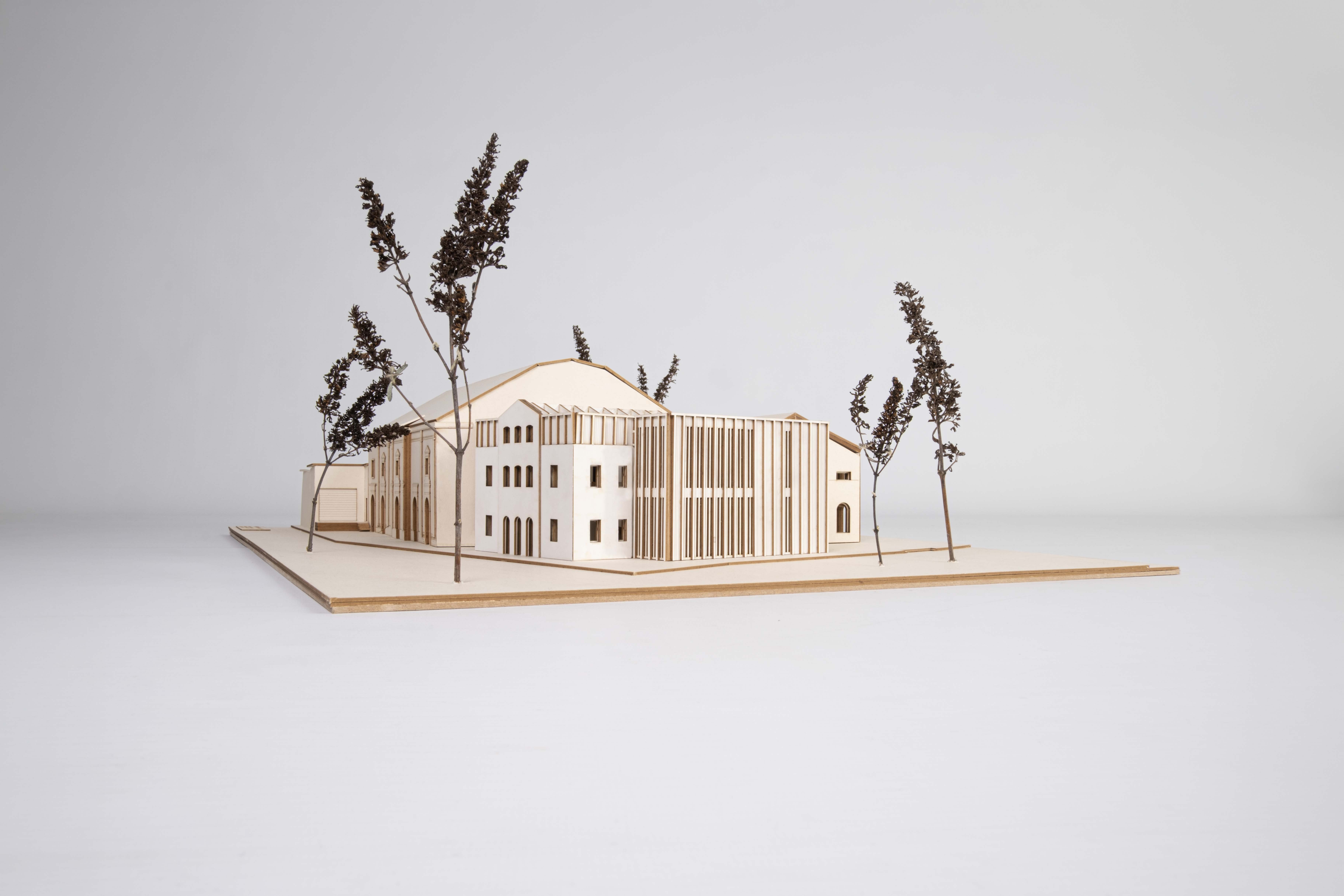
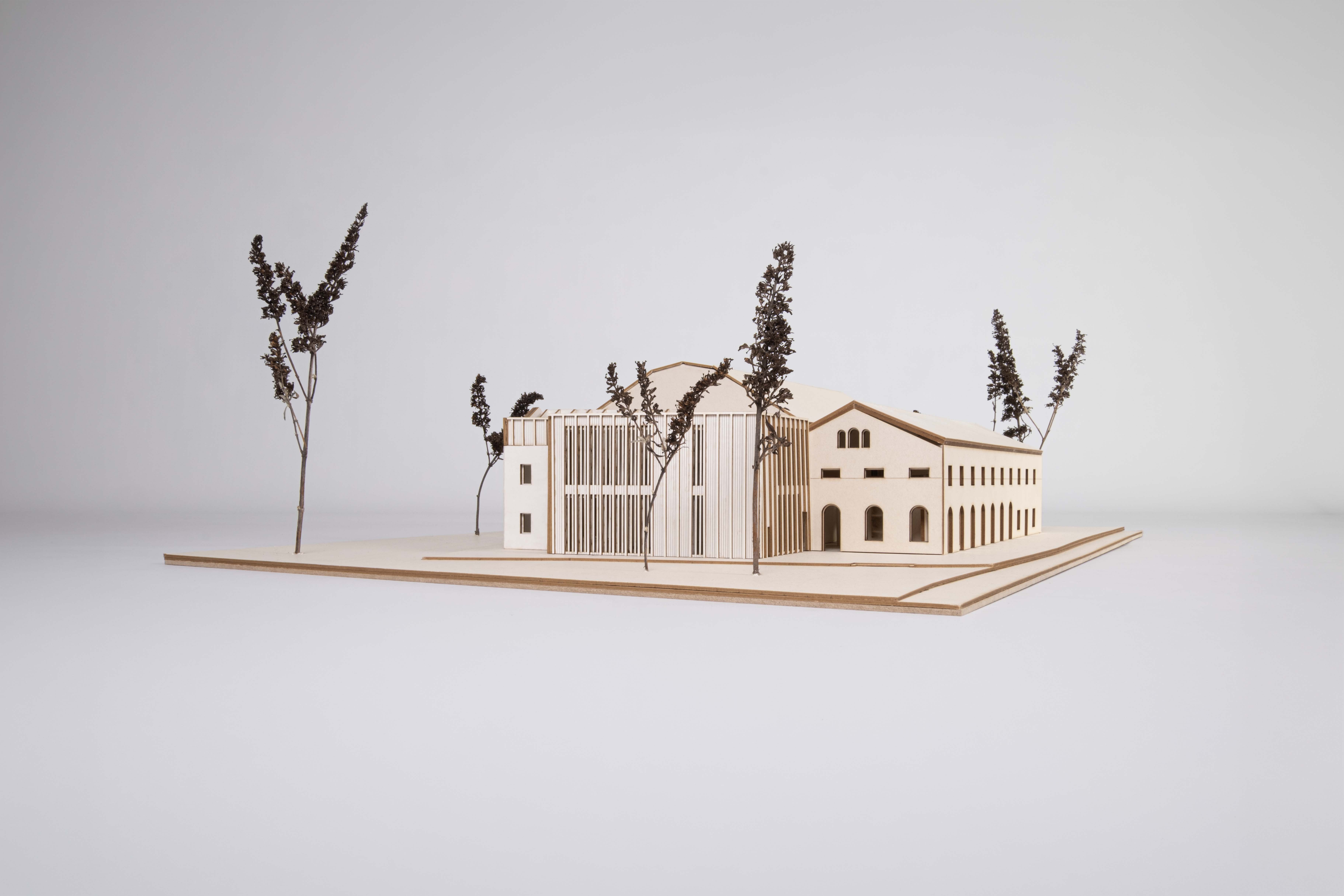
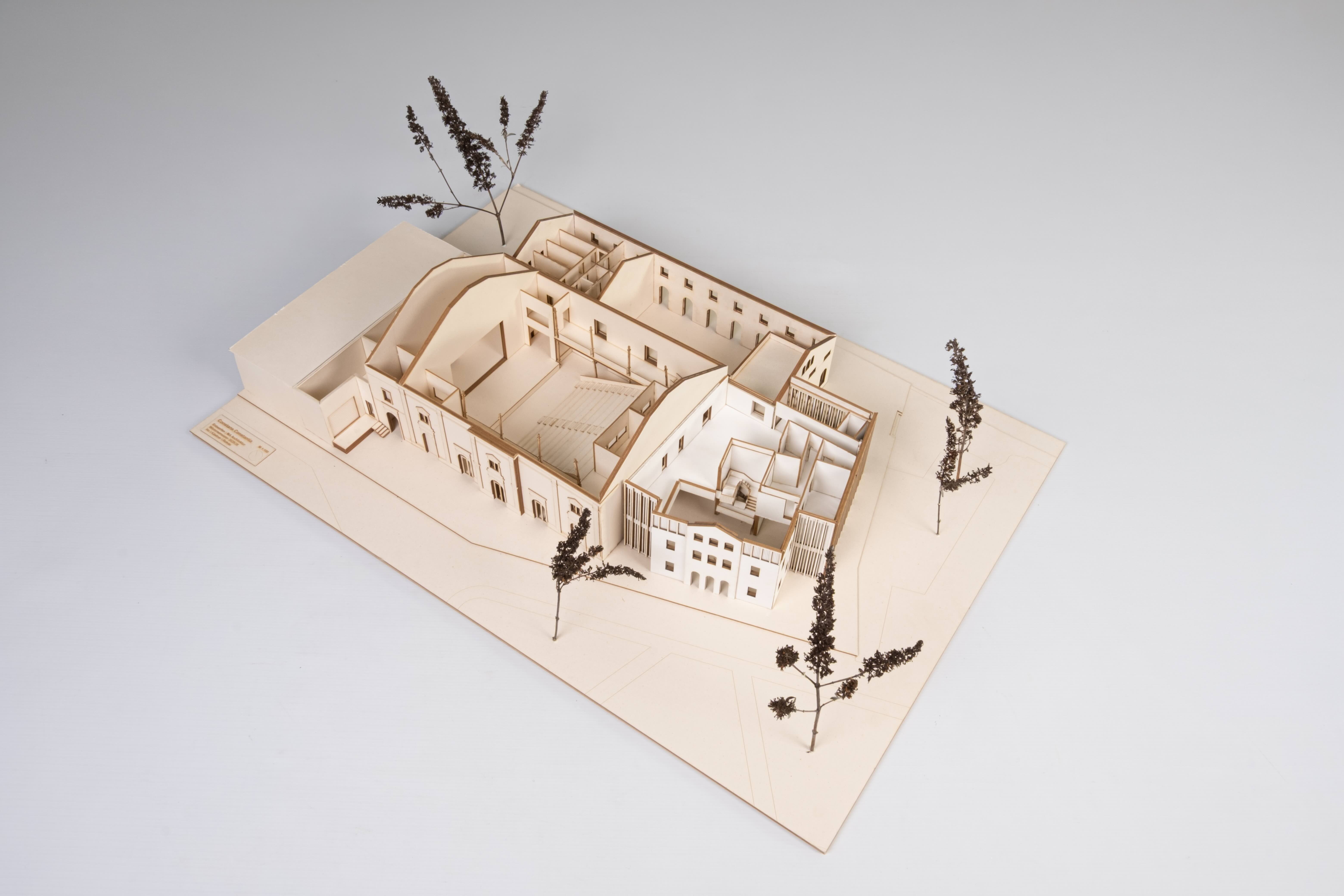
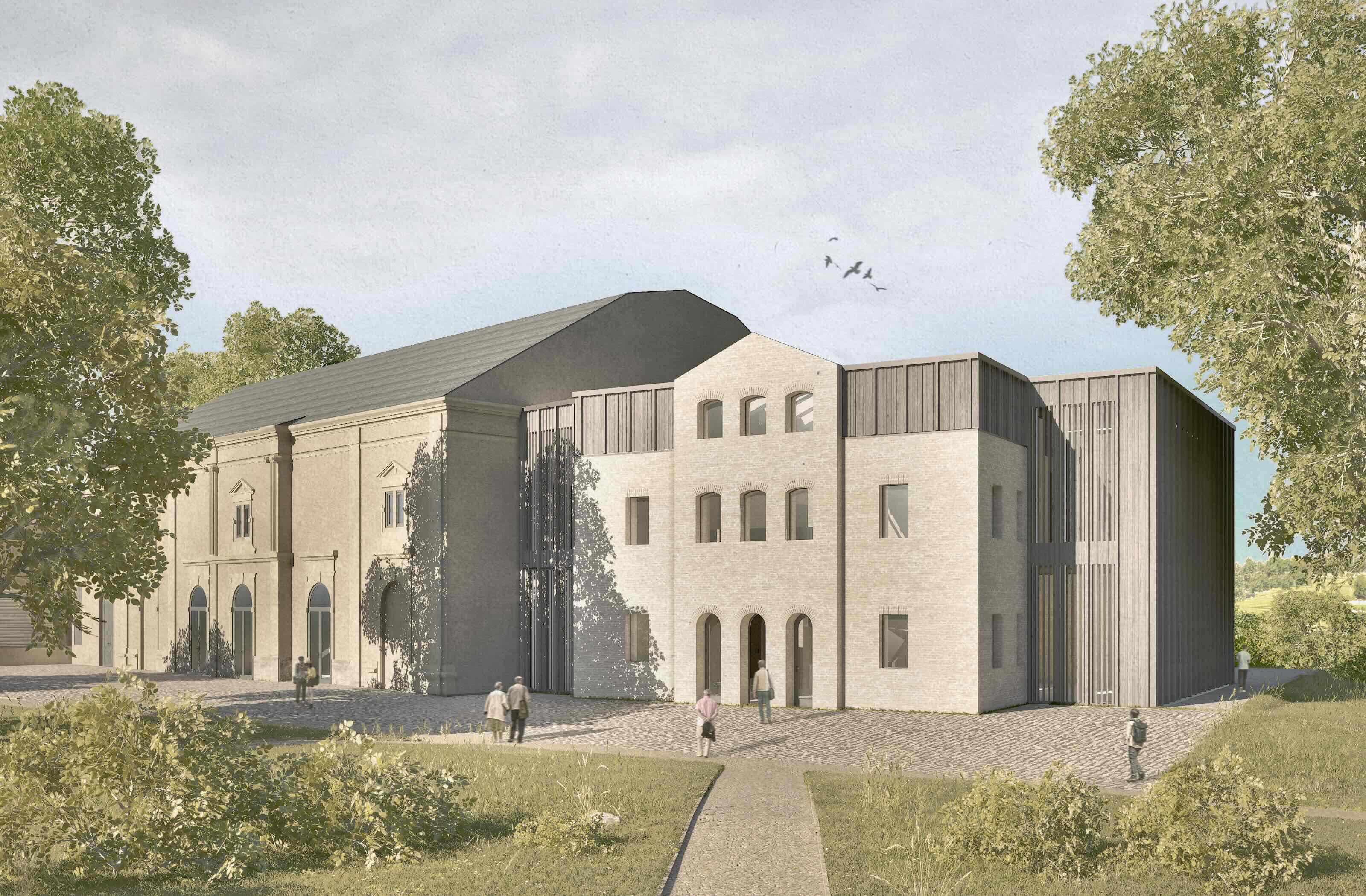
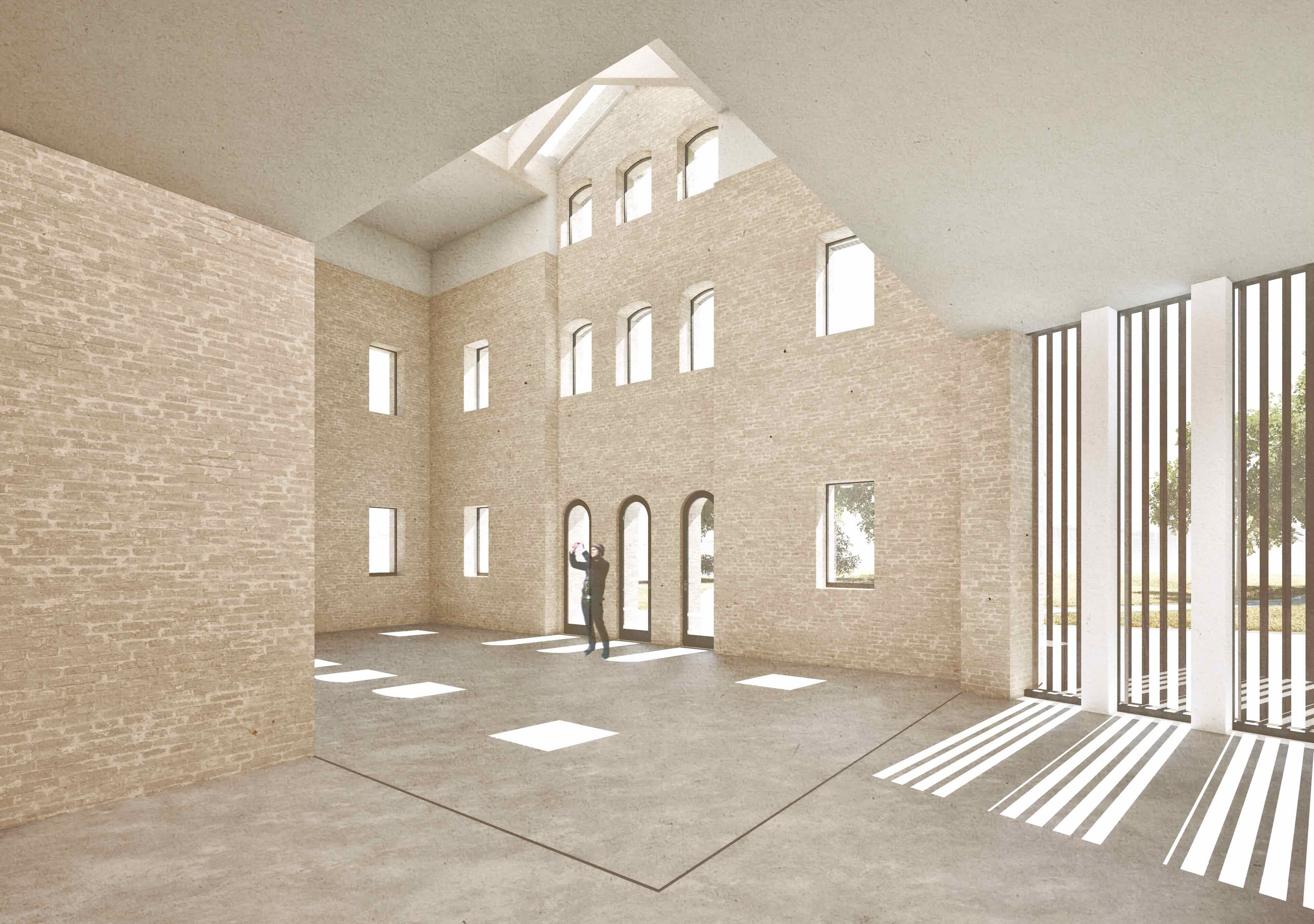
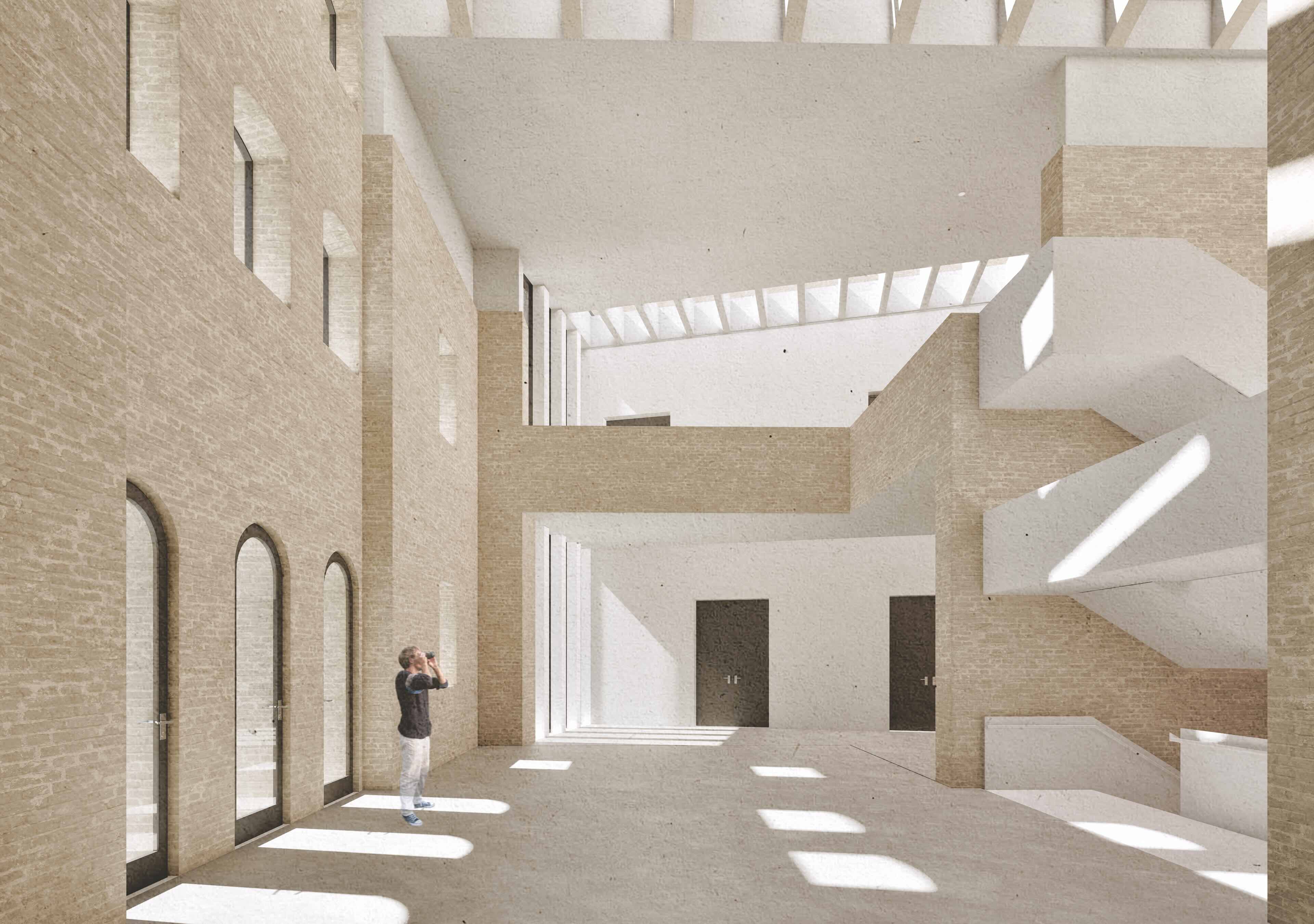
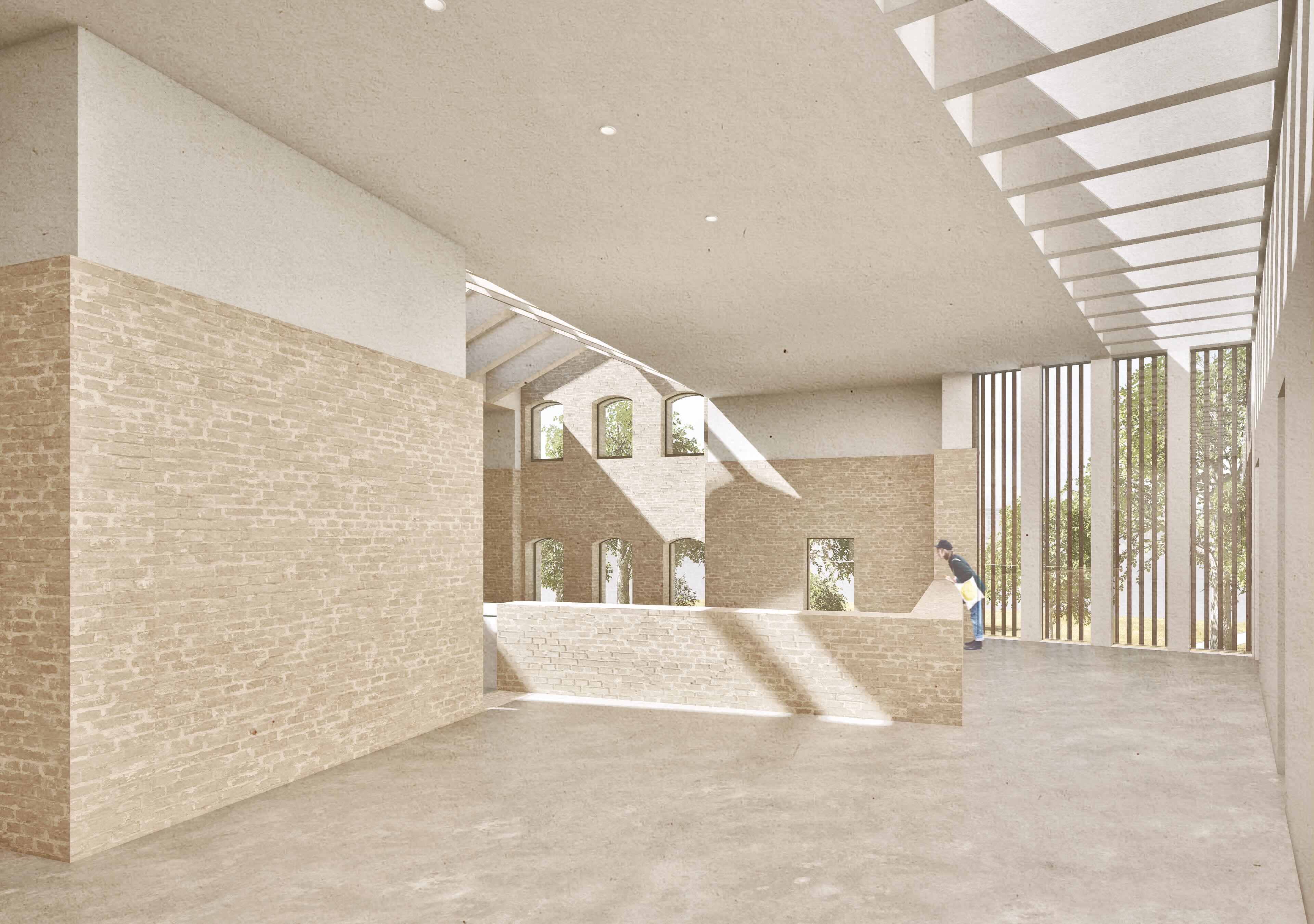
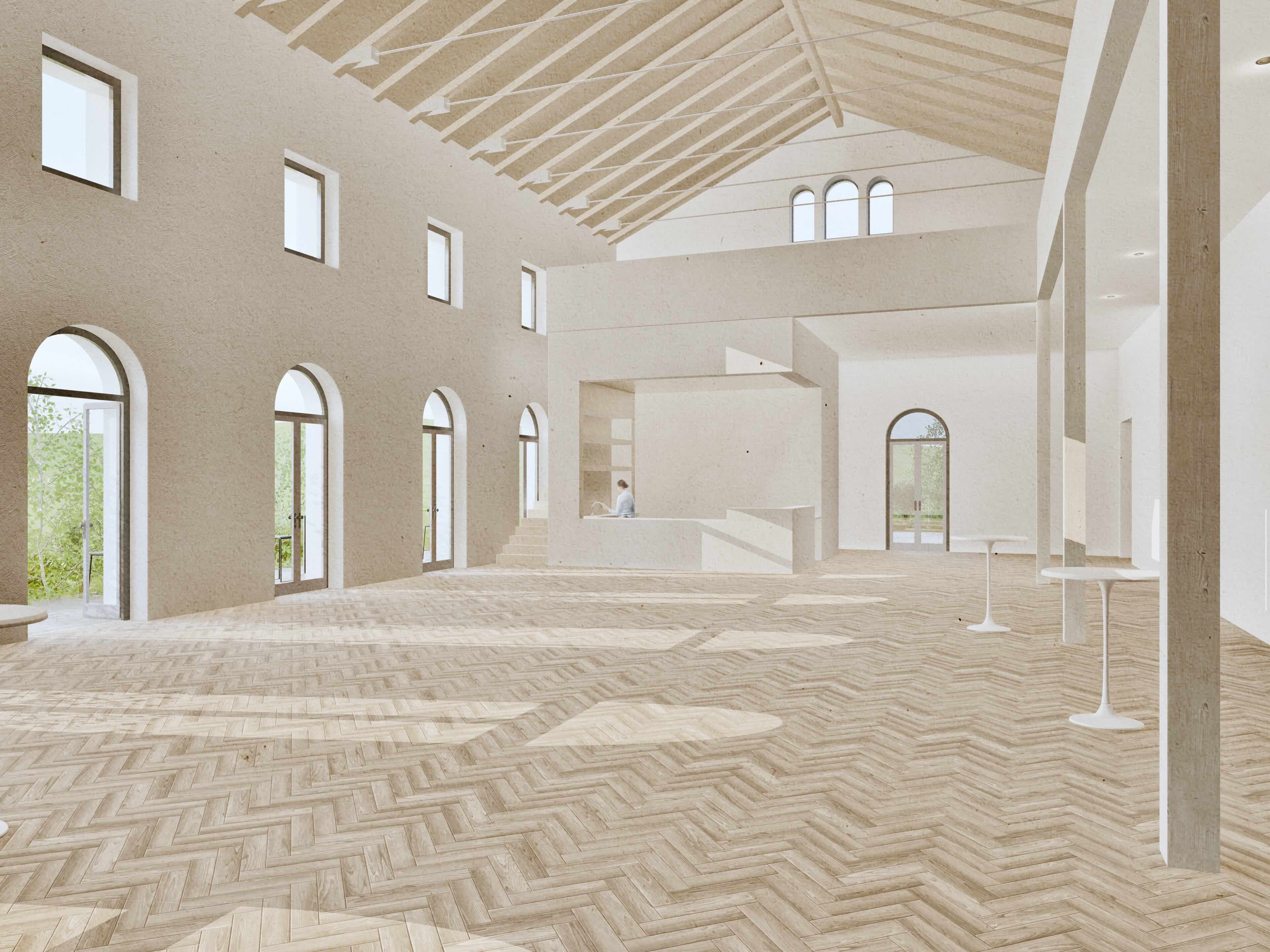
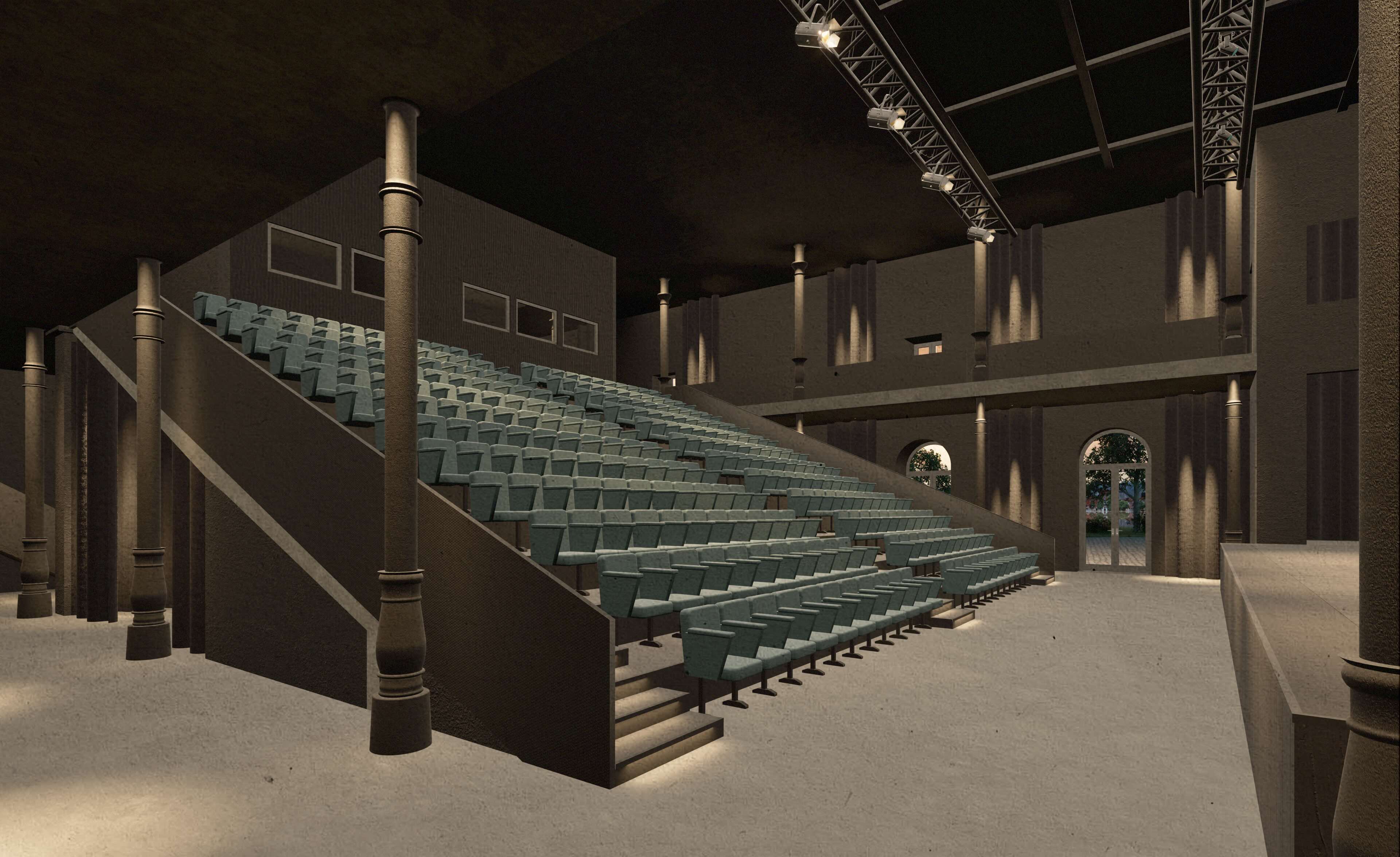
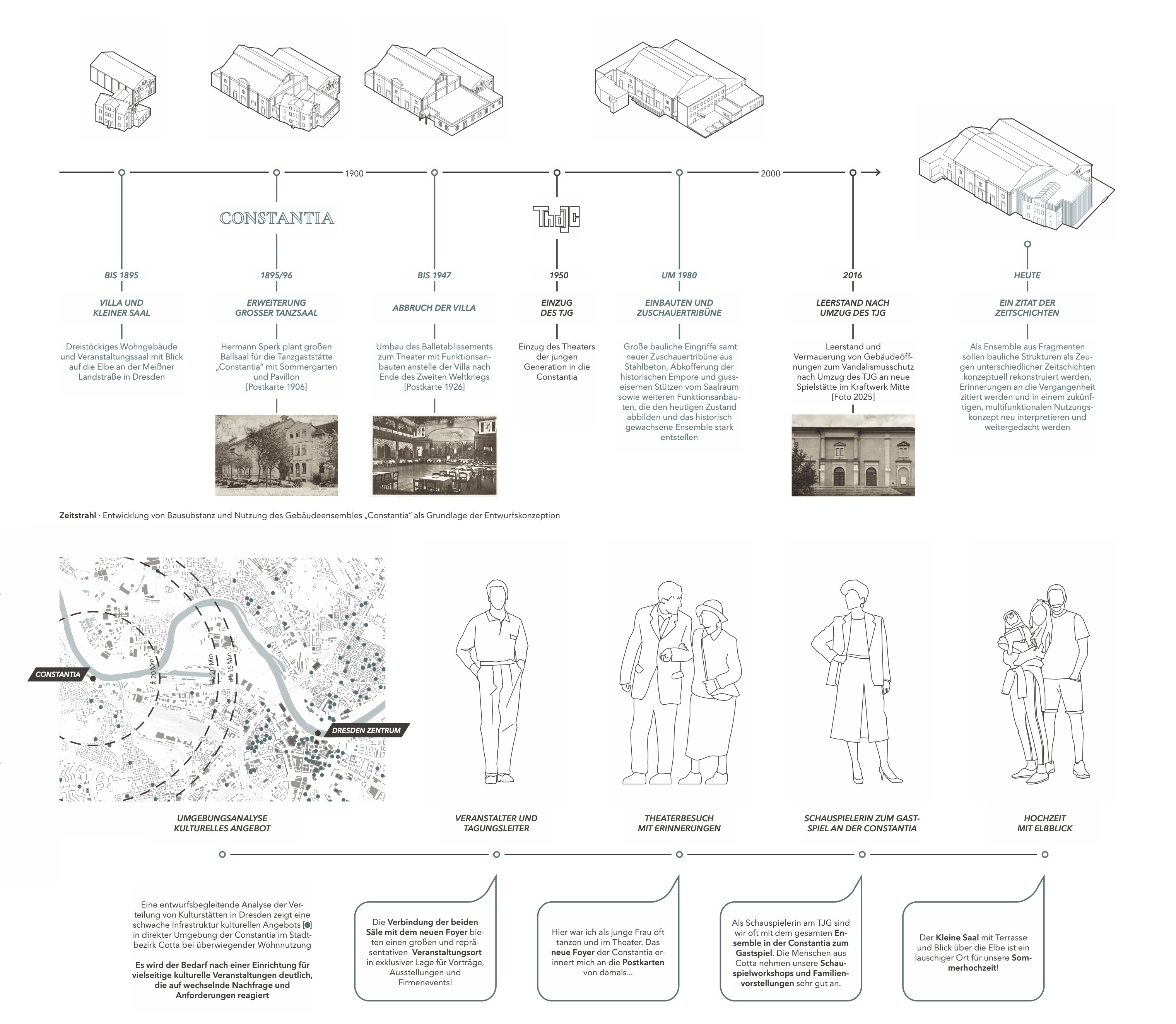
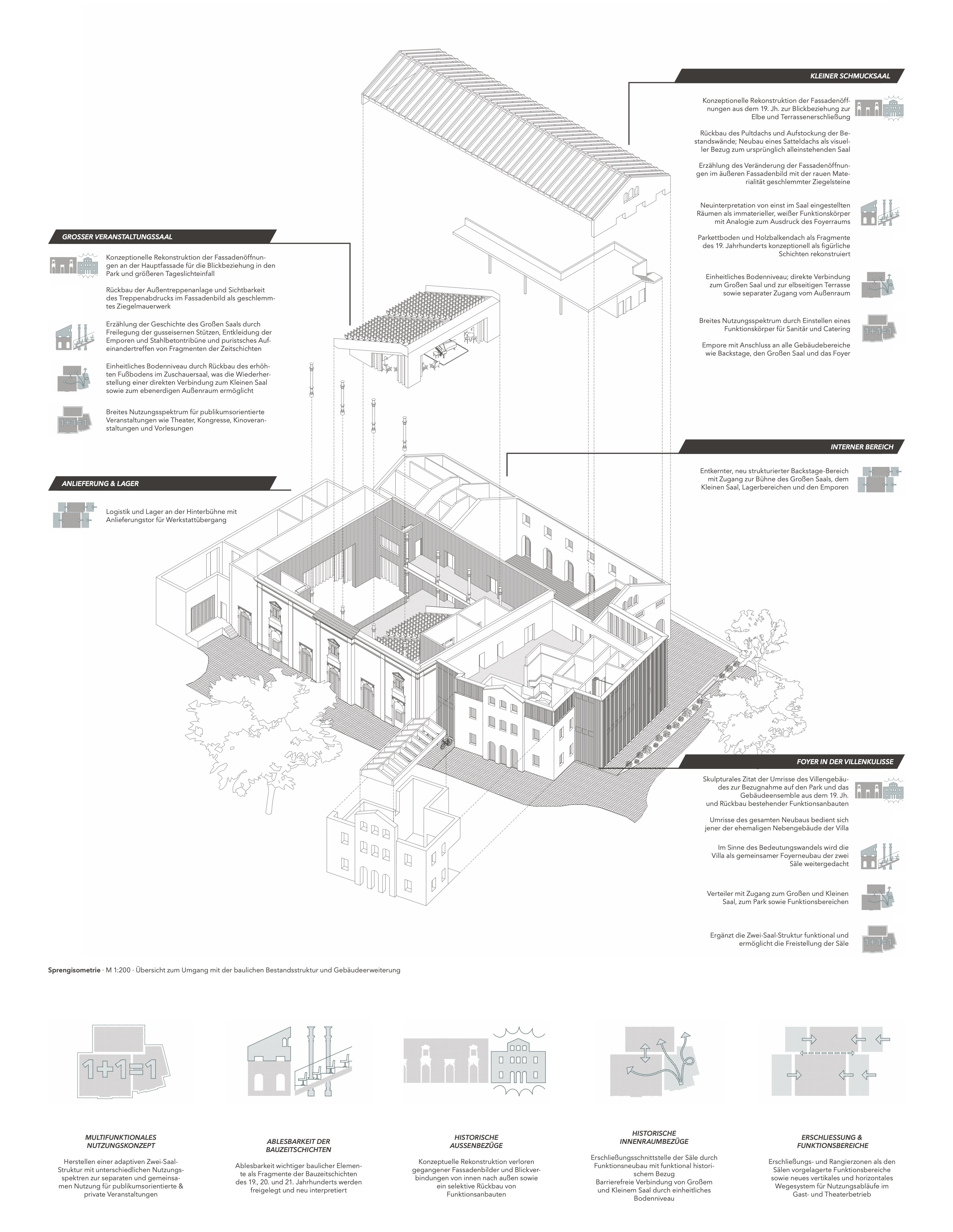
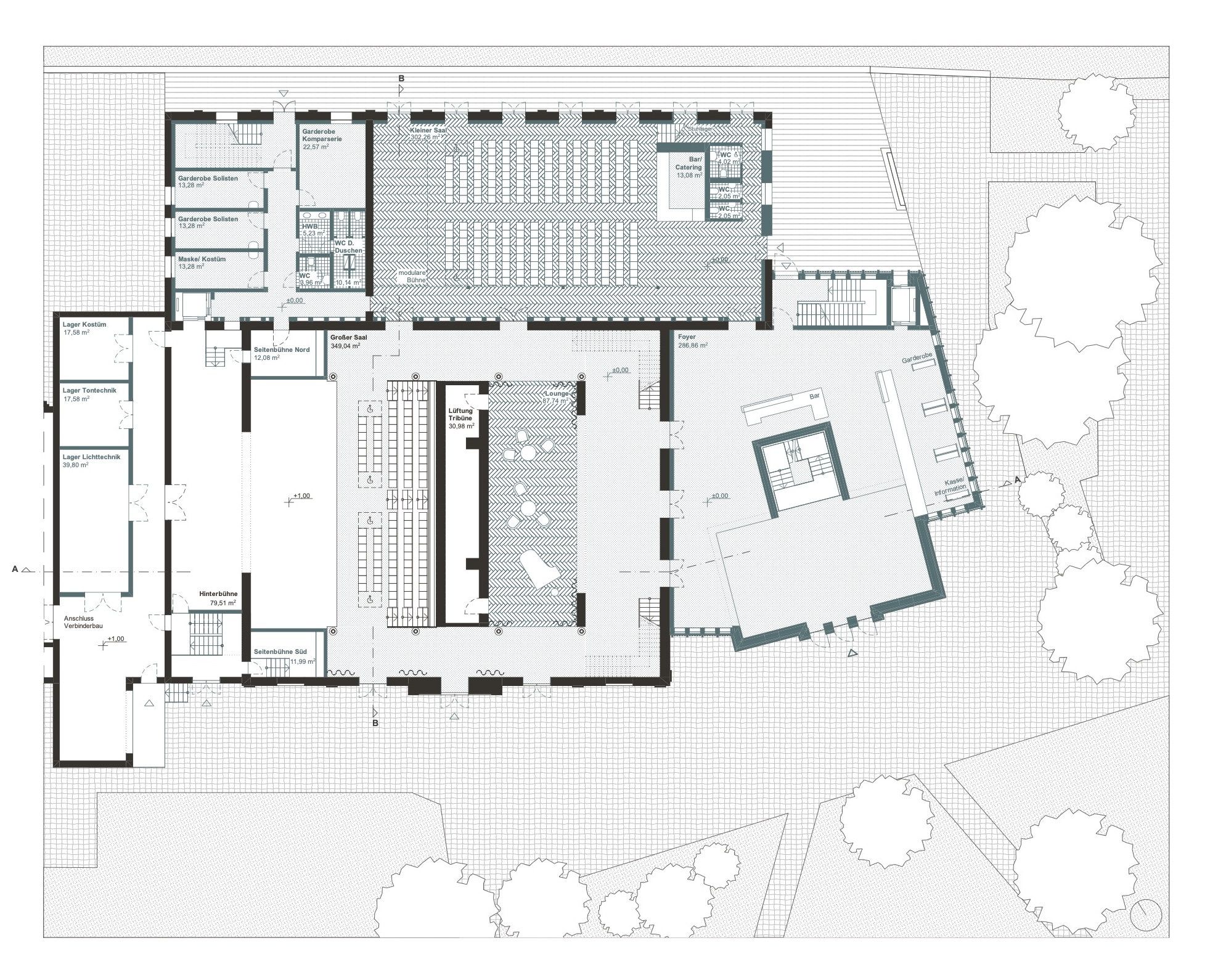
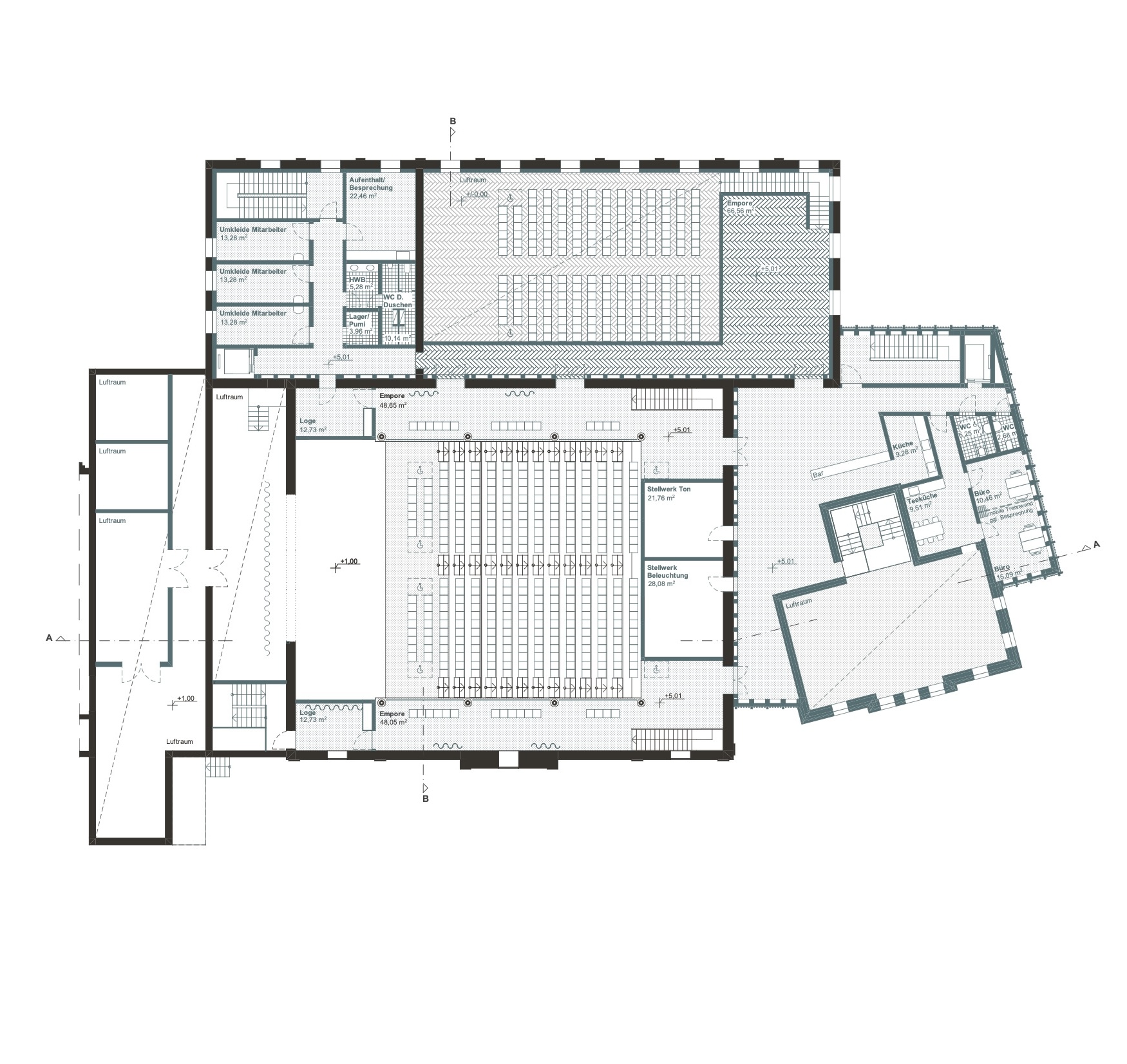
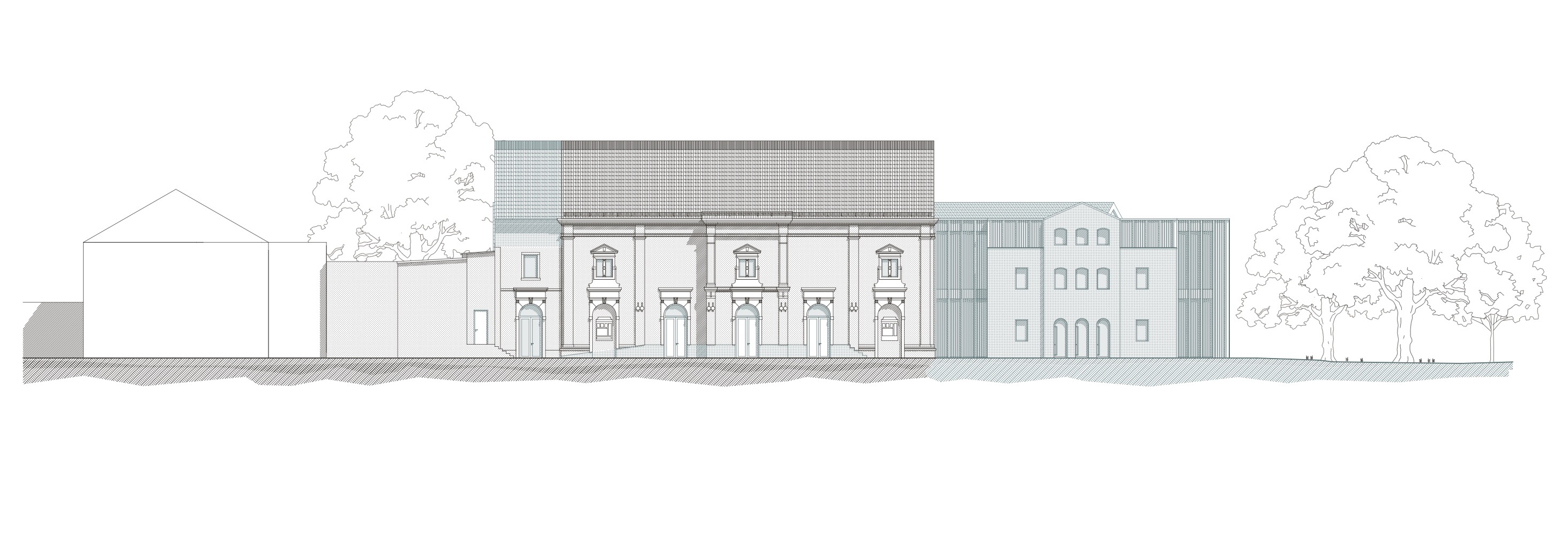
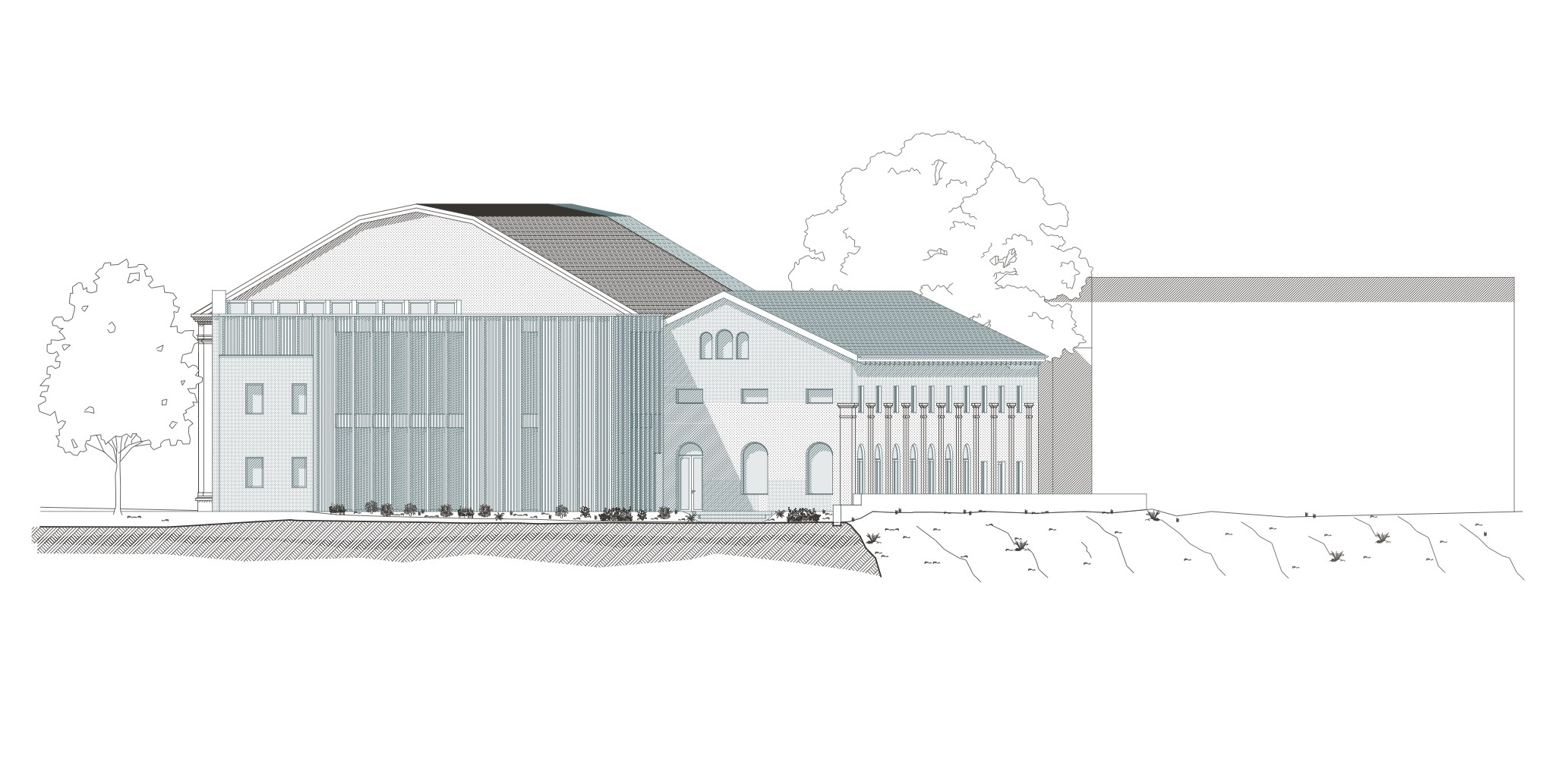
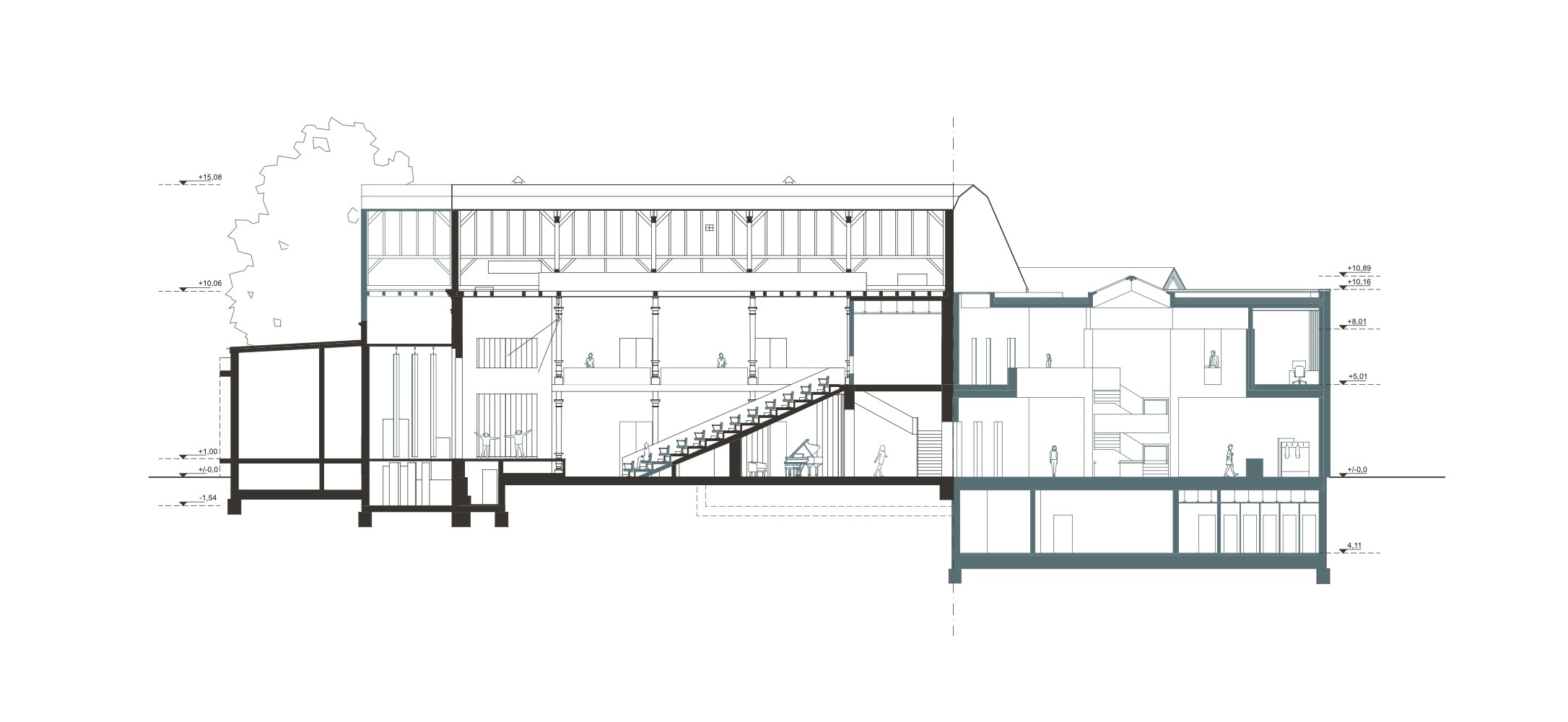
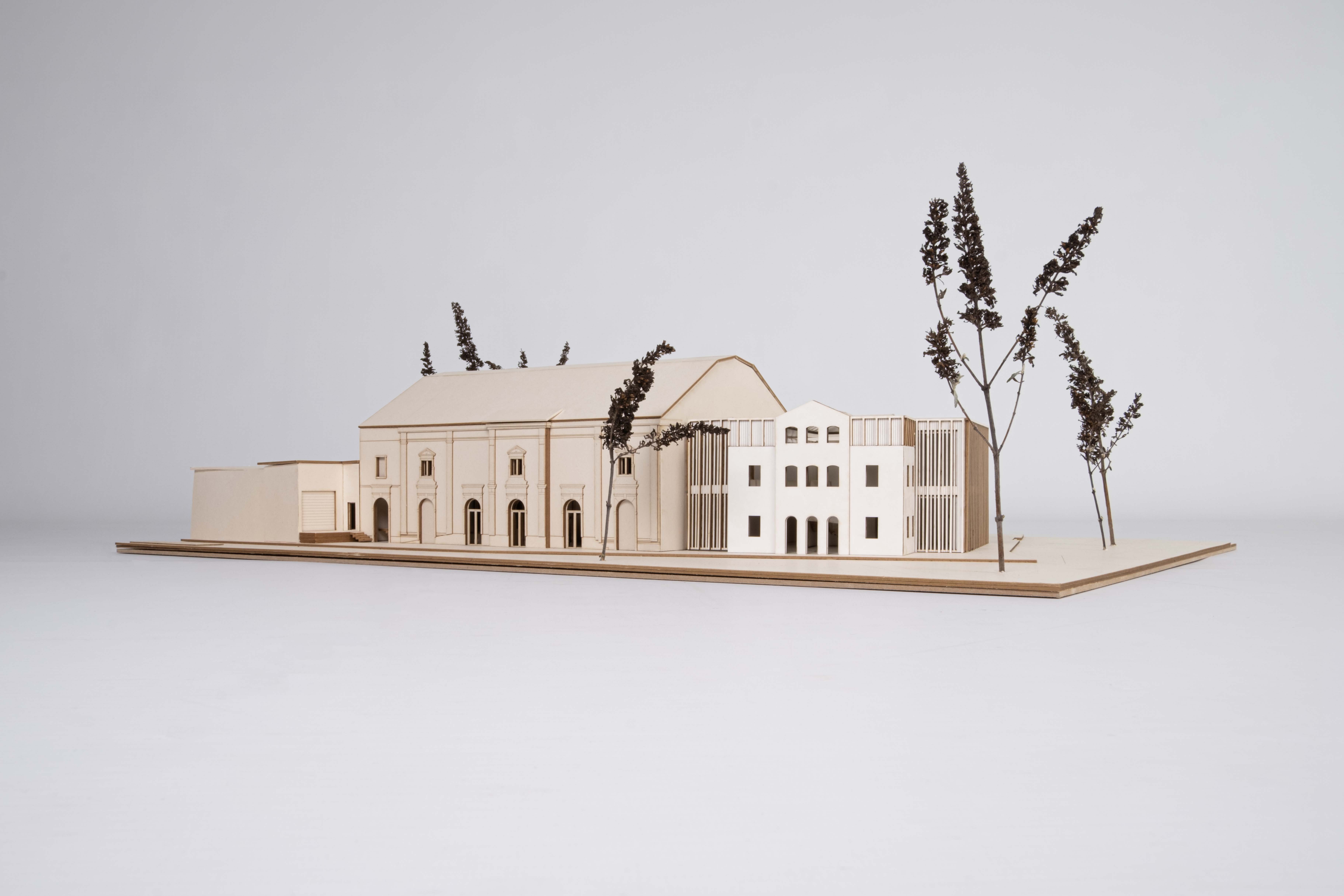
On the site of the former Ballhaus Constantia in Dresden-Cotta, a multifunctional venue is to be created after 10 years of standing empty, reviving the building’s 66-year history as a theatre and enriching it with the potential for diverse cultural uses. Dating back to the late 19th century, the building complex developed gradually around a town villa. The complex housing the dance hall and restaurant underwent continuous expansion, meaning that when it was converted into a theatre after the end of the Second World War, the villa also had to make way for functional extensions. Today, the site comprises not only the large theatre auditorium with stage and backstage area, but also the older, smaller hall used as a rehearsal space, as well as several winding functional extensions. Consequently, by the time the building stood vacant in 2016, it had evolved into a site that reads as an ensemble of building fragments, layers and envelopes. An analysis of the building’s construction phases traces key structural stages and their distinctive features, developing these further. From a design perspective, five structural and conceptual transformation processes for the site have been developed, which, alongside a multifunctional usage concept, address the legibility of the construction phases and the creation of historical spatial references within both the interior and exterior spaces. Furthermore, the winding floor plan structures, differences in floor levels, and the requirements for fire safety, accessibility and the operation of the event venue necessitate a restructuring of the access concept. To this end, a new building with a foyer, office workspaces and sanitary facilities is planned on the former site of the villa, which will address functional requirements as well as the management of visitor flows within the event venue. Alongside the new building, the Great Hall—including the delivery and storage area—and the Small Hall with its adjoining backstage area form two further, overarching functional zones. Due to the vastly differing histories and developments of these areas—ranging from structural alterations to complete demolition—the aforementioned conceptual approaches are interpreted through three distinct methodologies, thereby capturing and continuing the fragmented spirit of the site. Thus, the new building references the outlines of the villa demolished in the 20th century with a deconstructivist model as a monolithic, minimalist shell, framing its main façade in the exterior view like a stage set. The Small Hall, currently repurposed as a rehearsal hall, is conceptually reconstructed as a figurative ceremonial hall and regains its distinctive character through the roof shape and historical façade features. The elements in the Great Hall that bear witness to several historical periods—such as galleries and cast-iron columns, a reinforced concrete spectator gallery, and black wall and ceiling paint—are revealed and come together in a purist manner.